


Inheriting family items comes with complicated feelings. That china cabinet was Grandma's pride and joy, but you live in a small apartment with no room for formal dining. Those tools filled Grandpa's garage, but you've never used a table saw in your life. You're facing the delicate balance between honoring memories and being practical about what you can actually keep.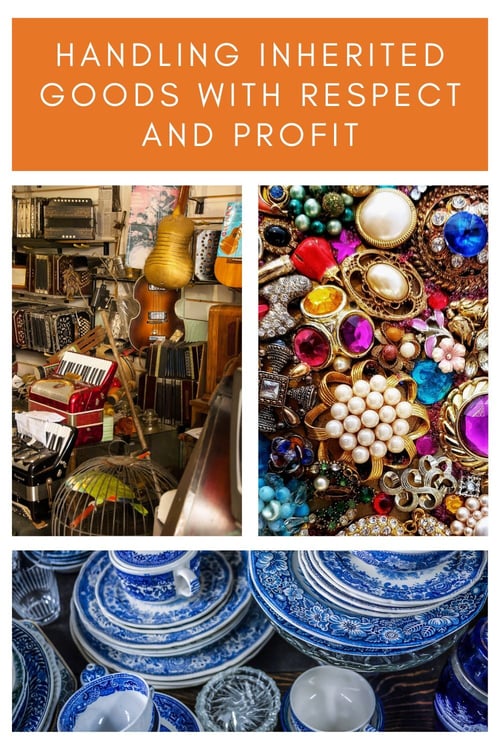
Selling inherited items isn't disrespectful – it's often the most realistic way to handle estates while ensuring items find new homes where they'll be used and appreciated. Let's navigate this emotional process with both heart and smart strategy, so you can make decisions you'll feel good about while maximizing value for items you can't keep.
The Emotional Reality First
Identifying Valuable Items Before You Price
Individual Sales vs. Bundling Strategy
Working with Estate Sale Professionals
Communicating with Family Members
Honoring Memory While Being Practical
The Emotional Reality First
Before we talk about pricing and selling strategies, acknowledge that this is hard. You're not just selling objects – you're making decisions about family history and memories. Give yourself permission to feel conflicted, sad, or overwhelmed. These feelings are normal and valid.
Take your time with the process if possible. Rushing through estate decisions often leads to regret, either from selling something you wish you'd kept or keeping too much out of guilt. Set aside genuinely meaningful items first – the things that spark real emotional connections, not just obligation. Everything else can be evaluated more practically.
Consider taking photos of sentimental items before selling them. You preserve the memory without needing the physical object. This simple step helps many people feel comfortable letting things go.
Identifying Valuable Items Before You Price
This step is critical and can mean the difference between selling a $500 antique for $20 or getting what it's actually worth. Before pricing anything, do your homework.
Start with obviously old or unique items: jewelry, watches, artwork, signed items, coins, antique furniture, vintage clothing, collectibles, china and crystal, and anything that looks handmade or custom. Research these thoroughly using online resources like eBay sold listings, antique price guides, and collector forums.
Look for maker's marks, signatures, stamps, and labels. Turn over dishes, check furniture undersides, examine jewelry clasps, and look inside drawers. These marks tell you who made items and when, which directly impacts value. A simple Google search of maker's marks can reveal surprising information.
Consider professional appraisals for items that might be valuable. Appraisals typically cost $100-300 but can be worth it if you're dealing with jewelry, fine art, antique furniture, or extensive collections. A good appraiser can also advise whether items should be sold through specialty channels rather than general estate sales.
Individual Sales vs. Bundling Strategy
The bundle-or-separate question depends on several factors: item value, how much time you have, and your selling goals.
Sell individually when: Items are worth more than $100 each, pieces are collectible or antique, items have specific collector markets (like vintage tools or depression glass), or you have time to list and manage individual sales online.
Individual sales through platforms like eBay, Facebook Marketplace, or specialty sites maximize value for quality pieces. That vintage sewing machine might bring $200 sold individually online but only $30 bundled in an estate sale.
Bundle when: You're dealing with large quantities of similar items, individual pieces are worth under $50, you need to clear the estate quickly, or items are common household goods without collectible value.
Bundling works well for: sets of dishes, boxes of books, tool collections, kitchen utensils, linens, and everyday furniture. "Complete kitchen bundle - $100" or "Box of vintage linens - $25" moves inventory efficiently.
A hybrid approach often works best: sell valuable individual pieces through targeted channels, then bundle remaining items for estate sales or donation.
Working with Estate Sale Professionals
Estate sale companies handle everything – sorting, pricing, displaying, advertising, managing the sale, and cleanup. They typically take 30-40% commission but bring expertise, established customer bases, and efficiency.
When to hire professionals: The estate is large with many items, you live far from the property, family dynamics are complicated and you need a neutral party, the estate contains potentially valuable items you can't identify yourself, or you simply don't have time or emotional bandwidth to manage it yourself.
Good estate sale companies know how to price items accurately, attract serious buyers, and maximize revenue. They handle the overwhelming logistics so you don't have to.
DIY makes sense when: The estate is smaller and manageable, you have time and live nearby, you enjoy the process of researching and selling, or you want to personally control what happens to specific items.
DIY gives you complete control and keeps all profits, but requires significant time investment and emotional energy.
Communicating with Family Members
Estate sales can create family tension if not handled carefully. Clear communication prevents misunderstandings and hurt feelings.
Before selling anything, have a family meeting where everyone can claim items they want. Set clear rules: maybe each person gets to choose five items, or certain categories are divided equally. Document who gets what to prevent later disputes.
Be transparent about your selling plans. Share what you're keeping, selling, and donating. Give family members final opportunities to claim items before sales. This prevents the painful situation of someone discovering you sold an item they would have wanted.
For items no one wants but have sentimental value, consider offering them to extended family, family friends, or even posting in family social media groups. Sometimes cousins or family friends treasure items that immediate family doesn't want.
Honoring Memory While Being Practical
Here's an important truth: items sitting unused in your attic don't honor anyone's memory. Grandma's dishes being used and loved in someone else's home? That's a beautiful continuation of their story.
Selling inherited items isn't erasing family history – it's acknowledging that you're creating your own life while respecting the past. Keep what genuinely matters to you, photograph what you can't keep, and let the rest move forward to people who will use and appreciate these items.
The money you make from sales can be used meaningfully too – perhaps funding a family gathering, making home improvements, or donating to causes your loved one cared about. That transforms the sale into something purposeful rather than just clearing out stuff.
Trust yourself to know the difference between items you're keeping out of love versus guilt. The ones you keep should bring joy, not obligation. Everything else? It's okay to let them go.