


Furniture flipping is the highest-profit reselling niche available to most people. While your competition is spending hours moving $2 books and $5 clothing items, furniture flippers can score a single piece that nets $100-300 profit. One dresser sold can equal fifty small items. But furniture flipping also requires different skills: identifying quality construction, understanding what improvements actually boost value, and figuring out logistics for moving heavy items. 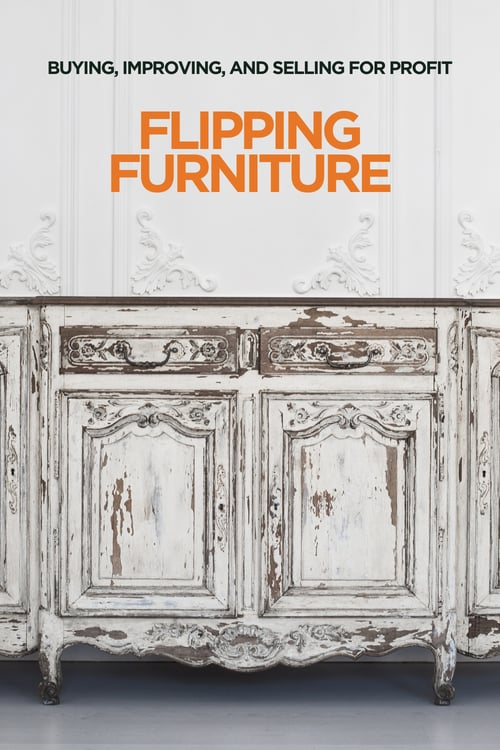
Not all furniture is worth flipping. A falling-apart particle board bookcase will never be valuable, no matter how much work you put in. But solid wood pieces with good bones, mid-century modern designs, or vintage furniture often have incredible profit potential if you know what to look for and how to approach the project strategically. Let's turn you into someone who can spot furniture goldmines and flip them for serious profit.
What's in this guide:
- Identifying Furniture Worth Flipping
- Where to Source Quality Furniture Cheaply
- Quick Improvements That Boost Resale Value
- Transporting Large Furniture Safely
- Calculating Time Investment vs. Profit
- The Furniture Flipping Workflow
- Common Furniture Flipping Mistakes
Identifying Furniture Worth Flipping
Not all old furniture is valuable. The first skill is learning to distinguish between treasures and junk.
Solid wood construction is your golden ticket. Check underneath and behind pieces – dovetail joints are the hallmark of quality furniture. If drawers have wood-on-wood runners that slide smoothly, that's quality. Particle board falling apart? Move on.
Quality brands deserve priority. Mid-century modern makers like Herman Miller, Eames, Heywood-Wakefield, Lane, Broyhill, and Bassett command premium prices. Vintage brand names often mean better construction than modern pieces.
Style and era matter enormously. Mid-century modern (1940s-1970s) is hot right now. Victorian and antique pieces have collector markets. Modern pieces from 2000+ are rarely worth flipping unless they're designer brands or in exceptional condition.
The condition assessment: Judge whether the piece has "good bones" – solid construction that just needs cleaning or minor repairs – versus structural damage requiring extensive work. A scratched dresser with wobbly legs you can tighten? Flippable. A chair with broken frame joints? Probably not worth it.
The size and weight factor: Small pieces like side tables, chairs, and nightstands are easier to transport and store than large sofas or sectionals. Start with smaller furniture until you develop logistics skills.
Test your potential flip before committing: research similar pieces on Facebook Marketplace and eBay sold listings. What are comparable items selling for? Is there demand? This research prevents buying expensive mistakes.
Where to Source Quality Furniture Cheaply
Finding underpriced quality furniture is the key to profitable flipping.
Estate sales and auctions are prime hunting grounds. Most buyers focus on boxes of cheap items, overlooking quality furniture. Arrive early, inspect pieces carefully, and bid strategically. You can find incredible pieces at fraction of retail.
Facebook Marketplace and Craigslist feature listings from people desperately clearing houses. They often price items low just to get them gone. Message sellers offering cash pickup for quick sales – they frequently accept lower offers.
Thrift stores occasionally stock quality pieces at giveaway prices. Build relationships with staff and ask them to hold promising pieces. Goodwill, Salvation Army, and local thrift stores each have their own pricing and quality levels.
Garage sales are inconsistent but sometimes yield bargains. Look for estate sales especially – older homes often contain quality vintage pieces sellers don't recognize as valuable.
Wholesale furniture liquidation stores sometimes have overstocked or damaged pieces at steep discounts. Inspect carefully for hidden damage, but prices can be incredible.
Free sections on Facebook and Craigslist shouldn't be overlooked. Free furniture doesn't mean worthless – sometimes people give away quality pieces because they're moving or redecorating. A free dresser requiring $30 in supplies and a few hours of work can sell for $200.
Quick Improvements That Boost Resale Value
This is where most furniture flippers waste money. The trick is improvements with high impact-to-effort ratios.
Thorough cleaning is your highest-return investment. Dust, grime, and odors destroy perceived value. Clean furniture looks and smells premium. Use appropriate cleaners: wood polish for wood, upholstery cleaner for fabric, and glass cleaner for surfaces. This often increases value 30-50% with minimal cost.
New hardware transforms dated furniture instantly. Replacing old drawer pulls and cabinet knobs with modern hardware costs $20-40 but makes pieces look completely refreshed. Choose simple, contemporary styles in brushed nickel, matte black, or brass.
Paint for transformation works on the right pieces. Solid wood furniture takes paint beautifully; particle board usually doesn't. Use chalk paint or high-quality furniture paint in neutral colors – white, gray, navy, or black. Avoid trendy colors that date quickly. A fresh coat of white paint can double a piece's value.
Tightening and stabilizing fixes wobbly furniture. Tighten all screws, use wood filler on gaps, and fix broken joints with wood glue. These simple fixes move items from "needs work" to "excellent condition" in buyer perception.
Stain and refinish for wood – but be selective. If original wood finish is decent, cleaning and polishing is enough. If finish is damaged or stained, sanding and restaining can work, but this requires skill and time. Test on inconspicuous areas first.
What NOT to do: Don't over-restore. Original patina and wear add character to vintage pieces. Aggressive restoration removes that appeal. Also avoid expensive projects – extensive reupholstering, major frame repairs, or structural restoration rarely returns your investment in reselling.
Transporting Large Furniture Safely
Logistics kill many furniture flippers. Without reliable transportation, sourcing and selling become nightmares.
Have a truck or know someone with one. This is non-negotiable for furniture flipping. Borrow from friends, rent from Home Depot or U-Haul, or hire movers for expensive pieces. Factor transportation costs into your profit calculations.
Measure everything before committing. Will it fit in the truck? Through doorways at your storage location? Through the buyer's door? Measure three times before buying. Buyers who discover furniture won't fit through their door return it or demand refunds.
Protect pieces during transport. Use moving blankets, wrap sharp corners, and secure items so they don't slide. Arriving with new scratches kills value and creates unhappy buyers.
Photograph furniture with scale items in original location if possible. Show it in context, not just isolated. This helps buyers visualize pieces in their homes.
Document condition thoroughly. Take photos of every angle, including underneath and backs. Document any damage clearly. This protects you from false damage claims after delivery.
Calculating Time Investment vs. Profit
This is where many furniture flippers fail – they ignore the true cost of their time.
Calculate real profit: (Selling Price - Purchase Price - All Costs - Improvement Costs) = Real Profit
All costs include: transportation, supplies, platform fees, and shipping if applicable.
Then calculate: Real Profit ÷ Hours Invested = Hourly Rate
If you bought a dresser for $25, spent $30 on supplies, spent 6 hours cleaning and painting, and sold it for $120, your profit is $65 for 6 hours – about $11/hour. That might not justify the work.
But if you bought for $20, spent $15 on supplies, spent 2 hours total, and sold for $100, that's $65 profit for 2 hours – $32.50/hour. Much better.
Only take on projects where your hourly rate exceeds what you'd make doing something else. If you're worth $20/hour elsewhere, don't do furniture flipping that nets $10/hour.
High-profit flips have these characteristics: purchased at steep discount (50%+ below market value), minimal improvements needed (mostly cleaning), solid bones requiring no structural work, and strong market demand for the style.
The Furniture Flipping Workflow
Successful flippers follow consistent processes.
Scout and source furniture strategically. Hit estate sales early, browse Facebook Marketplace daily, and build relationships with sources. Give yourself sourcing limits – only buy if you're confident about resale potential and profit margins.
Inspect and assess before purchasing. Know your profit margin targets. Don't buy "maybes" – buy pieces you're confident about.
Transport and store safely. Have a designated storage area that doesn't overflow.
Clean and improve systematically. Do all cleaning first, then repairs, then cosmetic improvements. This workflow prevents redoing work.
Photograph and list within days of completion. Don't let finished pieces sit – list immediately while motivated.
Negotiate and sell strategically. Start at market rate, be open to reasonable offers, and close deals quickly. Money sitting in unsold furniture is money not available for new sourcing.
Deliver or arrange pickup professionally. Well-executed delivery creates positive experiences and repeat customers.
Common Furniture Flipping Mistakes
Learn from others' errors:
-
Don't buy expensive pieces hoping to get rich quick. Small consistent profits beat occasional windfall gambling.
-
Don't overly restore vintage pieces. Original charm is often worth more than pristine condition.
-
Don't ignore the time investment. Hours matter – know your true hourly rate.
-
Don't buy without measuring or assessing condition thoroughly. Bad purchases kill profitability.
-
Don't neglect photography and listing quality. Presentation directly impacts selling price and speed.
-
Don't get emotionally attached. Buy what sells, not what you personally like.
The Furniture Flipping Edge
Furniture flipping offers profit potential most resellers never achieve. While others grind through hundreds of small-item sales for modest profit, you can close one furniture deal monthly that nets more than their entire month's income. The barrier isn't difficulty – it's knowledge and logistics. Master those, and you've found a genuinely lucrative reselling niche!